If you’re thinking about starting a car dealership or boosting your existing sales, you might be asking: how many cars can you sell in a year? The answer isn’t one-size-fits-all. Several factors influence annual sales, including market demand, inventory size, sales strategy, location, and the type of vehicles offered.
Understanding these variables is key for setting realistic goals and planning your business approach effectively. Whether you’re selling as a hobby or aiming for a full-scale dealership, knowing what impacts yearly sales can make the difference between steady growth and missed opportunities.
Understanding Market Demand
Market demand is the first and perhaps most significant factor that determines how many cars you can sell in a year. Areas with larger populations, active local economies, and high car turnover naturally generate more potential buyers. Seasonal trends also influence demand, so if you’re constantly thinking “how to sell my car fast” then you should do your homework and understand the auto market first.
Understanding demographic trends, such as the age and income levels of local residents, can help anticipate which vehicle types will be most popular. Additionally, tracking competitors’ sales patterns and local events, like college graduations or corporate relocations, can reveal spikes in demand, allowing dealerships to stock inventory that aligns with buyer preferences and maximizes sales opportunities throughout the year.
Inventory Size and Variety
Your inventory directly affects your ability to sell more vehicles. A larger selection of well-maintained, desirable cars naturally allows you to cater to more buyers, but it’s not only about having many cars—it’s about having the right mix. Offering a diverse selection of sedans, SUVs, trucks, and popular brands will make sure that there is something for every type of buyer, from first-time purchasers to families or enthusiasts seeking high-performance vehicles.
For instance, stocking trusted makes like Honda, Toyota, Ford, and Chevrolet can appeal to both budget-conscious buyers and those focused on reliability and resale value.
Additionally, including certified pre-owned vehicles, hybrids, or electric models can attract buyers with specific preferences and demonstrate that the dealership is forward-thinking and responsive to evolving automotive trends. Ensuring your inventory aligns with local market demand increases the number of potential sales while strengthening customer trust and repeat business.
Location and Accessibility
Where a dealership operates significantly impacts how many cars can be sold in a year. Dealerships located in high-traffic urban areas or easily accessible suburban locations often enjoy higher walk-in traffic, which naturally leads to more sales opportunities.
Convenience also plays a role in shaping a positive buyer experience, encouraging repeat visits and referrals. Beyond physical location, a strong online presence—including a user-friendly website, detailed inventory listings, and active social media engagement—expands reach beyond local boundaries and attracts buyers from neighboring towns or regions.
For example, dealerships serving the greater Tucson area, including Marana, Oro Valley, and Vail, can tap into broader regional demand by showcasing inventory online, offering virtual tours, or enabling digital financing applications. Combining a strategic physical location with robust digital accessibility maximizes visibility, builds brand recognition, and increases the likelihood of consistent annual sales.
Pricing Strategy and Financing Options
How you price your vehicles and structure financing can dramatically influence how many cars you sell in a year. Competitive, transparent pricing not only attracts more buyers but also builds trust, making customers feel confident they are getting a fair deal. Pricing strategies can include offering seasonal promotions, bundling services, or highlighting value-added benefits like warranties or maintenance plans.
Financing options are equally critical in widening your potential customer base. Providing flexible solutions for buyers across various credit backgrounds, including first-time buyers or those rebuilding credit, makes vehicles accessible to more people.
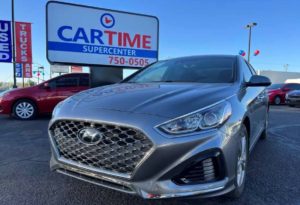
Programs such as low down payments, deferred payment periods, and special interest rates can encourage faster sales and repeat business. For example, Car Time Supercenter is known for flexible financing options that help buyers secure vehicles even with less-than-perfect credit, demonstrating how transparent pricing and adaptable financial solutions can significantly boost yearly sales while fostering long-term customer relationships.
Marketing and Customer Engagement
Even with excellent inventory and location, effective marketing is essential to maximize sales. Advertising campaigns, online listings, and community engagement all drive traffic to your dealership. Social media promotions, email campaigns, and search engine optimization help capture buyers actively searching for vehicles.
Additionally, cultivating strong relationships with previous customers encourages repeat business and referrals. The more you invest in marketing and customer engagement, the higher the number of cars you can realistically sell in a year.
Staff and Sales Team Performance
The skills and efficiency of your sales team also influence how many cars can be sold annually. A knowledgeable, personable team builds trust with buyers and speeds up the sales process. Well-trained staff can explain financing options clearly, handle objections, and guide customers toward the right vehicle, which increases conversion rates.
In dealerships where the team is experienced in handling a variety of credit situations, such as first-time buyers or credit rebuilding clients, the volume of cars sold tends to be higher because more customers leave satisfied and confident in their purchase.
Setting Realistic Sales Goals
After considering all these factors—market demand, inventory, location, pricing, marketing, and staff performance—you can set achievable annual sales goals. For smaller dealerships or independent sellers, moving 50 to 100 vehicles a year may be realistic, while larger operations can exceed several hundred.
Monitoring your performance throughout the year and adjusting strategies accordingly is key to growth. This can involve expanding your inventory, updating marketing tactics, or enhancing financing solutions to attract a wider range of buyers.
Maximizing Your Sales Potential
Understanding how many cars you can sell in a year is about more than just numbers—it’s about aligning your resources, strategies, and customer needs. By combining well-curated inventory, flexible financing, strong marketing, and a professional sales team, you can significantly improve your annual performance.
Selling cars successfully isn’t just about moving vehicles; it’s about providing value, building trust, and offering solutions that meet your buyers’ needs.
If you’re looking to maximize your selling potential or explore buying and selling strategies, Car Time Supercenter demonstrates how a family-owned dealership with decades of experience can turn effective financing, transparent pricing, and community trust into consistent vehicle sales throughout the year.
Sell your car quickly and confidently with flexible solutions and expert support at Car Time Supercenter!

There are good reasons people will buy their next used car in Tucson from Car Time Supercenter. But I think we are one of the most trusted used car dealerships mainly because we treat everyone like family. My family has provided quality, dependable local used cars to Tucson customers since 1984, and I’m proud to be a part of our continued success.
Like many family-owned businesses, I grew up going to work with my dad. Falling in love with cars was natural because of my father’s passion, and eventually, I came to love the car business just like him. I officially joined the Car Time Supercenter team in 2012, starting in the finance department. Over the past decade, I’ve learned the used car business and how to treat customers from my family and industry resources.
Today, I oversee marketing, social media, inventory, and reconditioning, so I play an essential role in delivering local Tucson used car buyers the best experience possible. I also help our family business keep up with the times while providing old-fashioned customer service. From attending NADA classes to becoming Allstate certified for back-end products, I continue to learn and add skills to serve our customers better.