Quick Summary
Tariffs can influence vehicle pricing, inventory availability, and financing conditions across the automotive market. Many buyers are asking whether used cars will become more expensive or harder to find as tariffs affect manufacturing and imports. In this article, we explain how tariffs impact the used car market and what buyers should know before shopping.
If you’ve been wondering, “will used cars be affected by tariffs,” the answer is yes—although the impact may not always be immediate or obvious. Tariffs influence the automotive industry by increasing costs on imported vehicles, parts, and manufacturing materials. Over time, those higher costs can ripple through the market and affect used vehicle prices, inventory, and buyer demand. Browse our inventory of used cars for sale in Tucson, AZ and discover dependable options designed to keep you comfortable, confident, and on budget.
What Are Tariffs and Why Do They Matter?
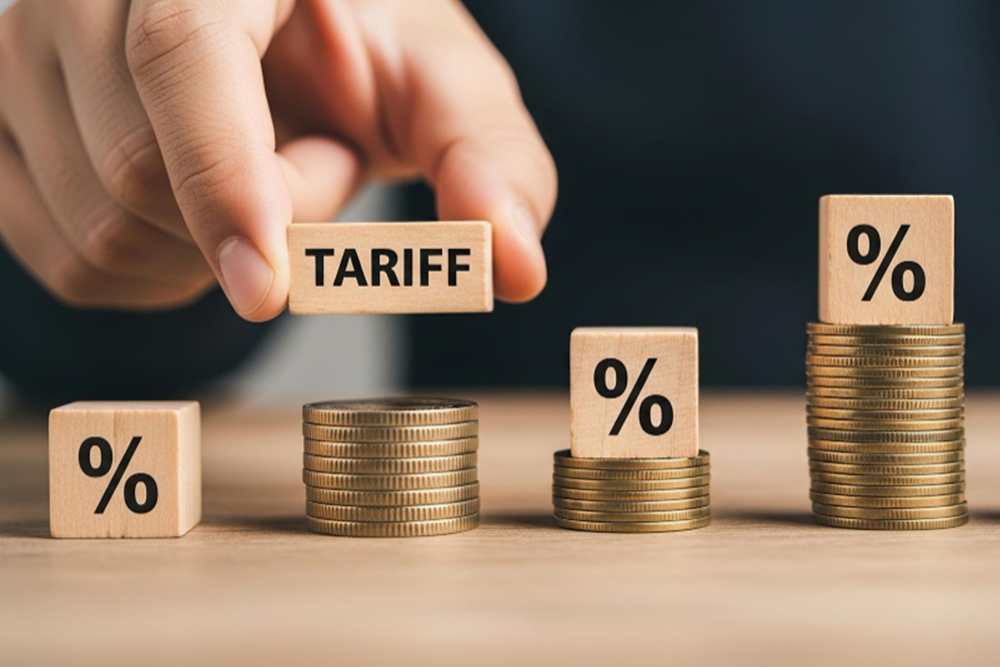
Tariffs are taxes placed on imported goods. In the automotive industry, tariffs may apply to imported vehicles, vehicle components, steel, aluminum, or other materials used in manufacturing.
When manufacturers face higher production costs, those expenses often get passed down through the supply chain. New vehicle prices may increase, which can influence how consumers shop for transportation.
As new vehicles become more expensive, more buyers may shift toward used cars to stay within budget. This increased demand can affect pricing and inventory in the pre-owned market.
How Tariffs Influence Used Car Prices
One of the biggest concerns buyers have is whether tariffs will cause used car prices to rise. In many situations, the answer is yes.
When new car prices increase due to tariffs, some buyers postpone purchasing new vehicles and instead shop for used models. This increased competition in the pre-owned market can drive prices higher, especially for reliable and fuel-efficient vehicles.
At the same time, dealerships may face inventory challenges if fewer people trade in their current vehicles. When supply tightens and demand increases, prices naturally become more competitive.
Will Certain Types of Vehicles Be More Affected?
Not all vehicles are impacted equally when tariffs affect the automotive market.
Imported brands and models often experience stronger pricing pressure because manufacturers face direct increases in production or import costs. Vehicles with parts sourced internationally may also become more expensive to manufacture and repair.
This can increase demand for dependable used domestic vehicles and affordable pre-owned inventory overall.
Fuel-efficient vehicles, trucks, and SUVs may also experience pricing fluctuations depending on consumer demand trends. If buyers begin prioritizing affordability and reliability over luxury or specialty features, certain segments of the used market may become more competitive.
Could Tariffs Affect Vehicle Availability?
Inventory availability is another major factor affected by tariffs.
When manufacturers slow production or consumers delay purchasing new vehicles, fewer trade-ins may enter the used market. This can reduce the number of available pre-owned vehicles at dealerships.
Lower inventory levels often create more competition among buyers, especially for dependable vehicles in popular price ranges.
At the same time, dealerships may need to adjust sourcing strategies to maintain inventory selection. That’s why working with an experienced dealership matters. A dealership with strong inventory management and long-standing industry relationships is often better positioned to continue offering quality options even during changing market conditions.
We focus on maintaining a diverse selection of vehicles so drivers can continue finding dependable transportation that fits their budget and lifestyle.
How Financing Conditions Can Change
Tariffs don’t just influence vehicle prices. They can also affect broader economic conditions that impact financing.
If market uncertainty increases, interest rates and lender requirements may shift over time. Buyers with strong preparation and realistic budgets are often in a better position to secure financing that works for them.
For customers rebuilding credit or purchasing their first vehicle, financing flexibility becomes especially important during uncertain economic periods.
Should Buyers Wait or Buy Now?
A common question many shoppers ask is whether they should wait for market conditions to improve or move forward now.
The answer depends on your personal needs, budget, and vehicle situation. If your current vehicle is unreliable or becoming expensive to maintain, waiting may actually cost more over time through repairs and inconvenience.
If tariffs continue influencing vehicle pricing and inventory, delaying too long could also mean facing higher costs later.
That said, rushing into a purchase without proper research is never a good strategy either. The key is finding the right balance between timing and preparation.
We always recommend focusing on reliability, financing fit, warranty coverage, and long-term affordability rather than trying to perfectly predict short-term market movements.
Why Transparency Matters More Than Ever
Market uncertainty can create confusion for buyers. Headlines about tariffs, inflation, and inventory shortages often make shoppers feel overwhelmed or pressured.
That’s why transparency and trust are so important during the car-buying process.
We believe buyers deserve honest answers, clear pricing, and financing guidance that reflects real-world budgets. Our goal has always been to help drivers make informed decisions with confidence, regardless of market conditions.
For over four decades, we’ve built long-term relationships with Tucson drivers by focusing on straightforward communication and dependable service. That commitment remains the same no matter how the market changes.
FAQs
Yes, tariffs can affect used cars by increasing demand for pre-owned vehicles when new car prices rise. This may lead to higher used car prices and tighter inventory availability.
When tariffs raise manufacturing or import costs for new vehicles, more buyers shift toward used cars to save money. Increased demand can push used vehicle prices higher.
Imported vehicles and models with internationally sourced parts may experience stronger pricing impacts because tariffs directly increase production or import expenses.
Waiting may not always save money. If prices continue rising or inventory becomes more limited, buying sooner could provide better long-term value depending on your situation.
Find a Reliable Vehicle You Can Count On
Changing market conditions shouldn’t stop you from finding dependable transportation that fits your needs. At Car Time Supercenter, we’ve helped drivers across Tucson navigate the used car market for over 40 years with honesty, flexibility, and customer-focused service.
Visit us today and experience a stress-free car-buying process backed by experience you can trust.

There are good reasons people will buy their next used car in Tucson from Car Time Supercenter. But I think we are one of the most trusted used car dealerships mainly because we treat everyone like family. My family has provided quality, dependable local used cars to Tucson customers since 1984, and I’m proud to be a part of our continued success.
Like many family-owned businesses, I grew up going to work with my dad. Falling in love with cars was natural because of my father’s passion, and eventually, I came to love the car business just like him. I officially joined the Car Time Supercenter team in 2012, starting in the finance department. Over the past decade, I’ve learned the used car business and how to treat customers from my family and industry resources.
Today, I oversee marketing, social media, inventory, and reconditioning, so I play an essential role in delivering local Tucson used car buyers the best experience possible. I also help our family business keep up with the times while providing old-fashioned customer service. From attending NADA classes to becoming Allstate certified for back-end products, I continue to learn and add skills to serve our customers better.