Many shoppers ask what counts as good used car mileage when they start looking at pre-owned vehicles. Mileage matters because it helps show how much use a vehicle has seen and how much life may be left. Many Tucson buyers begin by looking at broad listings, such as used cars for sale in Tucson, AZ, so they can compare body styles, mileage ranges, and prices side by side. Viewing multiple listings helps buyers spot patterns between vehicle age and mileage.
Some families also check current price drops to understand how mileage affects resale value over time. We point them toward our best used car deals & specials so they can see how discounts line up with year, mileage, and trim. This early research helps buyers decide whether paying more for lower mileage makes sense or if a higher-mile vehicle still meets their needs.
Why Mileage Matters
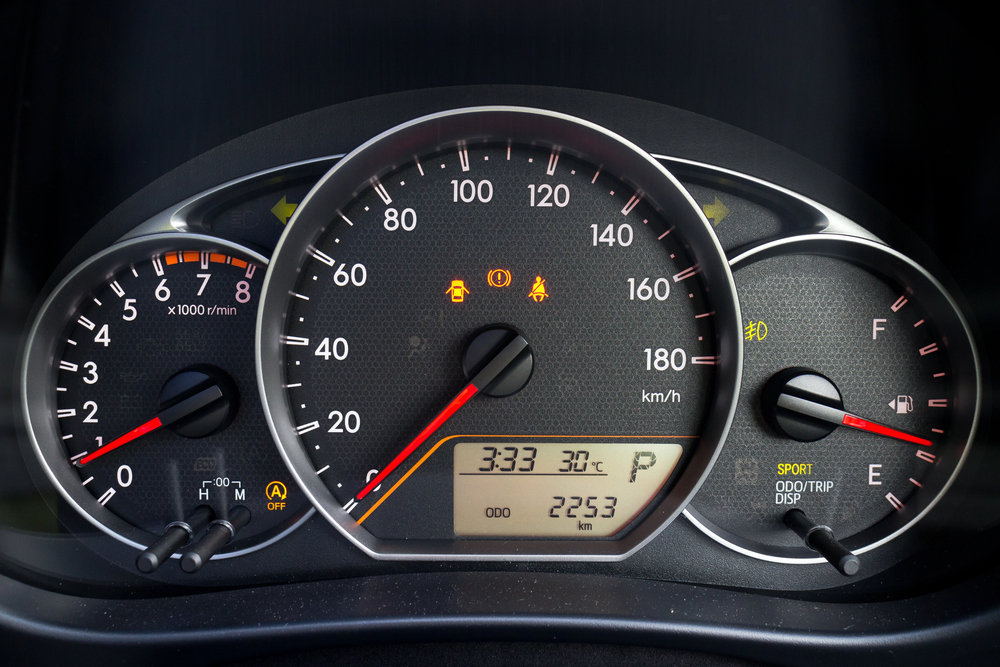
Mileage reflects how much a vehicle has been driven and how much wear key components may have experienced. Many insurance and dealer guides say average drivers in the United States put about 12,000 to 15,000 miles per year on their vehicle. So, if a sedan is ten years old, a normal expectation might be around 120,000 to 150,000 miles. That number gives shoppers a baseline to judge if a vehicle has seen light, normal, or heavy use.
Mileage also affects resale value. A vehicle with lower miles for its age usually costs more because buyers think it has more life left. Higher miles can lower the price, but the real question is how that vehicle was driven and maintained. A well maintained high mile vehicle can be a better buy than a neglected low mile one.
Age Versus Mileage
Many shoppers focus only on mileage, but age also plays a role. Some vehicles sit for long periods, which can dry out rubber parts and fluids. Other vehicles see short daily trips that do not heat up the engine fully, which can affect oil and moisture in the system. So, when looking at age versus mileage, shoppers should ask how the vehicle was used and stored.
Buyers often notice a few general patterns when comparing age and mileage:
- Lower miles and newer age usually means less wear, but higher prices.
- Average miles and average age often reflect normal use and balanced prices.
- Higher miles and older age may mean more wear, but lower cost.
These patterns help shoppers align expectations with their budget and long term needs.
What Counts as “Good” Mileage for a Used Car
Guides from insurance and dealer sources note that a good target range for many used cars sits below 100,000 miles if the buyer wants many remaining years of use. However, the number by itself does not tell the full story. Some vehicles reach 150,000 or 200,000 miles with proper maintenance. Others may struggle at 80,000 miles if they lacked care. So the “good” number depends on goals.
Mileage tends to make sense when viewed through how long the buyer plans to keep the vehicle:
- For long term use: Many buyers look for vehicles under 100,000 miles so they can add miles over several years with fewer repairs.
- For short or mid term use: Vehicles with 120,000 to 150,000 miles may offer strong value at lower prices for drivers who do not expect to keep them as long.
- For budget driven buyers: Higher mile vehicles above 150,000 can still work if the price is right and maintenance records look clean.
A “good” number depends on how long the buyer wants to keep the vehicle, how many miles they drive per year, and how much maintenance they are willing to handle.
Maintenance Matters More Than Mileage Alone
One of the most important facts about used vehicles is that good maintenance can offset higher mileage. Oil changes, brake service, suspension work, battery checks, and cooling system care all affect long term health. A vehicle with 160,000 miles but full service records can be more dependable than a vehicle with 60,000 miles and no history.
Service history is especially important, including records for items such as:
- Records of oil changes
- Timing belt or chain information
- Brake and suspension service
- Transmission fluid changes
- Cooling system checks
These items help show how much attention the vehicle has received over the years. A clean record book supports higher mileage better than any single number on the odometer.
Highway Miles Versus City Miles
Not all miles are equal. Highway miles put less stress on engines because the vehicle runs at steady speed without as much braking or turning. City miles involve more idling, braking, potholes, and hot starts. A vehicle with higher highway miles may show less wear than one with lower city miles. So, when judging used car mileage, buyers should ask how the vehicle was used.
Some signs of heavy city use include worn brake pads, tired suspension parts, and more cosmetic wear inside the cabin. Vehicles with highway backgrounds may show cleaner engines, smoother braking, and quieter bearings. Test drives and history reports help confirm these patterns.
Matching Mileage to Lifestyle
Good mileage also depends on what the buyer expects to do with the vehicle. A college student who drives short local trips may not need low mileage as much as a parent who plans long commutes every day. A trades worker who drives to job sites may benefit from a higher mile vehicle with a long tested service record. Matching mileage to lifestyle makes the choice more realistic.
Below are a few common cases:
- Daily commuters: May want lower mileage to support many highway miles over several years.
- Short trip drivers: Can pick mid mileage options if they drive fewer miles per year.
- Budget buyers: Can find value in higher mile vehicles if they plan for basic repairs.
Mileage only makes sense when the shopper knows how they will use the vehicle.
Test Drives and Inspections
After checking numbers and asking questions, shoppers should take a test drive. Test drives help reveal suspension clunks, brake noise, alignment pull, or engine hesitation. Short drives on surface streets help with braking and turning, while a quick freeway merge shows how the engine handles higher speeds. A visual inspection of tires, fluids, and belts can also help spot signs of neglect.
History reports can show accidents, mileage confirmation, and past ownership. These reports support the mileage story and help buyers decide if the vehicle fits their expectations. Tucson’s dry climate helps reduce rust, but heat can affect hoses and batteries, so checking those parts matters too.
Mileage plays a key role in used car shopping but must be judged with age, maintenance, and usage. While many buyers aim for vehicles under 100,000 miles, others find value at higher mileage levels if records look clean and the price fits their budget. Good maintenance, steady test drives, and honest history reports can make higher mileage vehicles dependable for daily life. By matching mileage to lifestyle and asking the right questions, buyers can find used vehicles that last for years without stress.

There are good reasons people will buy their next used car in Tucson from Car Time Supercenter. But I think we are one of the most trusted used car dealerships mainly because we treat everyone like family. My family has provided quality, dependable local used cars to Tucson customers since 1984, and I’m proud to be a part of our continued success.
Like many family-owned businesses, I grew up going to work with my dad. Falling in love with cars was natural because of my father’s passion, and eventually, I came to love the car business just like him. I officially joined the Car Time Supercenter team in 2012, starting in the finance department. Over the past decade, I’ve learned the used car business and how to treat customers from my family and industry resources.
Today, I oversee marketing, social media, inventory, and reconditioning, so I play an essential role in delivering local Tucson used car buyers the best experience possible. I also help our family business keep up with the times while providing old-fashioned customer service. From attending NADA classes to becoming Allstate certified for back-end products, I continue to learn and add skills to serve our customers better.