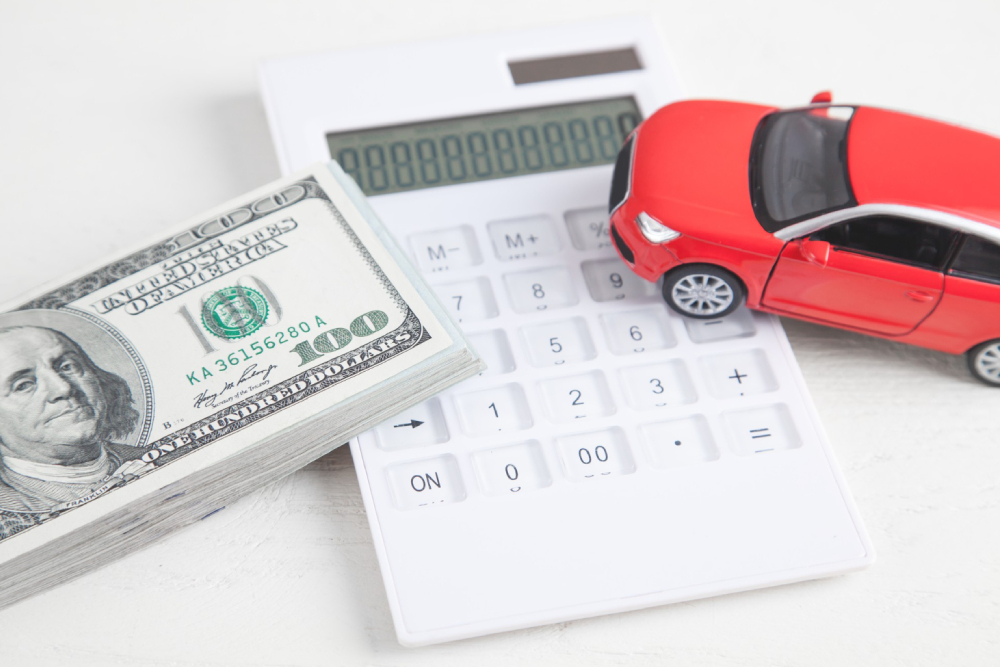
Many vehicle owners wonder, does selling a car count as income on their taxes? The answer isn’t always straightforward, as it depends on factors such as whether the sale was for personal use, a profit, or part of a business operation. While casual sales of personal vehicles are typically not considered taxable income, there are exceptions and rules that must be understood to avoid IRS complications.
Understanding the tax implications of selling a car will help you comply with regulations and prevent unexpected liabilities, especially if the sale involves a significant profit or multiple transactions within a year.
Selling a Personal Vehicle: Tax Basics
Many people wonder “how to sell my car” without tax complications while still getting a fair price and a smooth, hassle-free transaction. If you sell a car that you personally own and use for daily life, the IRS generally does not treat the sale as taxable income. This is because the vehicle is considered a personal asset, not a source of profit.
In most cases, selling the car for less than or equal to what you originally paid is not reportable on your taxes. However, if the sale results in a profit—selling it for more than your original purchase price—you may be required to report the gain as a capital gain. While this situation is uncommon for personal vehicles, it’s important to maintain records of the purchase price and sale price to substantiate your position if needed.
When a Car Sale Is Considered Taxable
A vehicle sale becomes taxable when it generates a profit. For example, if a collector buys a classic car for $20,000 and later sells it for $25,000, the $5,000 gain is considered taxable income and should be reported on your tax return. Similarly, if you are in the business of buying and selling vehicles, every transaction is considered income, regardless of the type of vehicle.
The IRS distinguishes between casual personal sales and business sales, so understanding the context of the sale is vital. Keeping meticulous records of expenses, purchase price, and sale price will make sure that you comply with reporting requirements and avoid penalties.
Trade-Ins and Their Tax Implications
Trade-ins complicate the tax question slightly. When you trade in your vehicle to purchase another, the value of the trade-in is generally subtracted from the price of the new vehicle. This reduces the amount you owe in sales tax but does not create taxable income. For example, if you trade in a car valued at $5,000 toward a $20,000 new car, you would only pay sales tax on the $15,000 difference.
While trade-ins usually do not trigger income taxes, it’s still advisable to keep all documentation, including the trade-in valuation, as proof for your records and potential audits.
Selling a Car for Business Purposes
When vehicles are used for business purposes, the tax rules change significantly. Selling a company car or a vehicle used in a side business is treated differently than selling a personal car. In these cases, the sale may generate taxable income, and it must be reported as part of business revenue.
Additionally, you may need to account for depreciation, which can impact the calculation of taxable gain. Proper bookkeeping is vital for accurate reporting. Working with a tax professional or accountant can help navigate these complexities, especially for small business owners who regularly buy and sell vehicles.
Record-Keeping and Documentation
Regardless of the situation, keeping detailed records is very important. Documentation should include the original purchase receipt, registration information, maintenance records, and the final sale paperwork. These records can provide evidence of your original investment and support your tax reporting.
For personal vehicles sold at a loss, proper documentation will make sure that you can demonstrate the sale was not intended to generate profit, reinforcing that it is not taxable. Good record-keeping habits are also beneficial if you ever decide to trade in your vehicle or sell to a dealership, making the transaction smoother and more transparent.
State-Specific Tax Rules
Tax laws vary by state, so it’s important to check local regulations. Some states may treat car sales differently for sales tax purposes or require certain disclosures. While federal tax rules may exempt personal vehicle sales from taxable income, state-level taxes could still apply in some cases.
For example, a few states might require reporting gains or the value of a vehicle traded in for credit toward a new purchase. Staying informed about both federal and state requirements protects sellers from penalties and leads to 100% compliance.
Avoiding Tax Pitfalls
Even if your sale is not taxable, mistakes in reporting can trigger unnecessary attention from the IRS. Common pitfalls include misreporting the sale as income when it wasn’t taxable, failing to maintain records, or misunderstanding trade-in values.
Another potential issue arises when selling a high-value or collectible vehicle for a profit; in this case, gains must be reported correctly to avoid underpayment penalties. Planning ahead, keeping accurate documentation, and consulting with a tax professional when in doubt are all effective ways to avoid pitfalls and make sure that you’re handling the transaction correctly.
Selling Through a Dealership
Selling a vehicle to a professional dealership can simplify tax considerations. Dealerships handle most of the paperwork, including title transfers and compliance with state laws. They may also provide guidance on how the sale might impact taxes, especially if the vehicle was used for business or sold at a profit.
For sellers looking to streamline the process, working with an experienced dealership like Car Time Supercenter provides not only convenience but also peace of mind, knowing that the transaction is handled professionally and in accordance with regulations.
Understanding the Takeaways
Whether selling a car counts as income depends on context: personal use, trade-in, business sale, or profit. Most personal vehicle sales at a loss are not taxable, but profits or business sales must be reported. Keeping detailed records and understanding federal and state requirements leads to compliance and peace of mind.
Selling through a dealership can simplify many of these steps while providing professional guidance and support. Approaching the sale with preparation and knowledge will help you achieve a smooth, compliant, and stress-free experience.
Turn your car into cash effortlessly and worry-free—let Car Time Supercenter handle the sale, paperwork, and financing so you can drive forward with confidence.

There are good reasons people will buy their next used car in Tucson from Car Time Supercenter. But I think we are one of the most trusted used car dealerships mainly because we treat everyone like family. My family has provided quality, dependable local used cars to Tucson customers since 1984, and I’m proud to be a part of our continued success.
Like many family-owned businesses, I grew up going to work with my dad. Falling in love with cars was natural because of my father’s passion, and eventually, I came to love the car business just like him. I officially joined the Car Time Supercenter team in 2012, starting in the finance department. Over the past decade, I’ve learned the used car business and how to treat customers from my family and industry resources.
Today, I oversee marketing, social media, inventory, and reconditioning, so I play an essential role in delivering local Tucson used car buyers the best experience possible. I also help our family business keep up with the times while providing old-fashioned customer service. From attending NADA classes to becoming Allstate certified for back-end products, I continue to learn and add skills to serve our customers better.