Quick Summary
Rust underneath a used vehicle deserves careful evaluation, since surface corrosion on visible trim is typically harmless while structural rust on the frame, brake lines, or suspension can pose real safety risks. Climate plays a major role in how much rust a vehicle develops over time, with states using road salt or experiencing high humidity seeing significantly more corrosion than dry desert regions. Arizona’s climate gives locally sourced vehicles a genuine advantage on this exact issue. Car Time Supercenter inspects every vehicle thoroughly before it reaches our lot, giving buyers added confidence when evaluating a used vehicle’s long-term condition.
Shoppers examining a used vehicle sometimes find themselves asking should I buy a car with rust underneath, unsure whether surface corrosion is a minor cosmetic issue or a genuine red flag. The honest answer depends heavily on the type, location, and extent of the rust.
This guide explains what buyers should look for when inspecting rust underneath a used car and how to determine whether corrosion could affect the vehicle’s safety, structure, or long-term value.
Understanding the Different Types of Rust
Not all rust carries the same risk. Surface rust affects only the outer layer of metal and is cosmetic, often appearing on exposed bolts or minor trim pieces. Scale rust penetrates deeper, creating a rough, flaking texture that weakens the metal’s structural integrity over time.
Penetrating rust is the most serious type, creating holes that compromise the metal entirely and often signals significant underlying damage.
Why Undercarriage Rust Matters More Than Cosmetic Rust
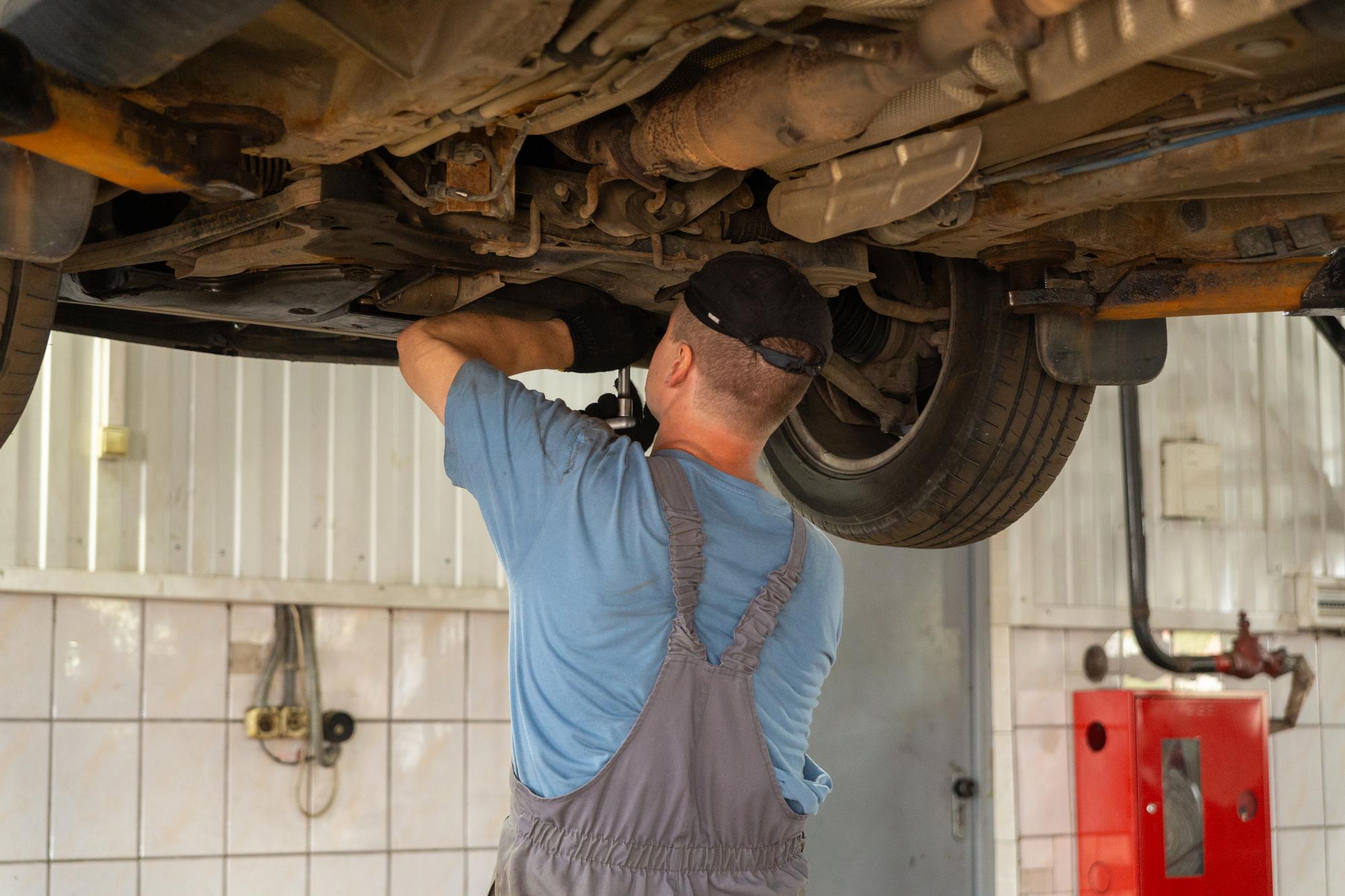
Rust on a vehicle’s body panels is often a cosmetic concern, but rust underneath the vehicle affects far more critical components. The frame, suspension components, brake lines, and exhaust system are all vulnerable to corrosion, and damage in these areas can create genuine safety risks rather than just an unattractive appearance.
This distinction is exactly why undercarriage rust deserves more scrutiny than a scratch on a door panel.
What to Inspect Before Buying
The frame rails, checking for flaking, pitting, or any areas where metal has visibly thinned.
Brake lines, since rusted lines can fail unexpectedly and are expensive and time-consuming to replace.
Exhaust components, where rust often starts and can eventually lead to leaks or complete failure.
Suspension mounting points, where structural rust can affect handling and safety.
Fuel lines and tanks, since corrosion here poses a genuine safety hazard if left unaddressed.
Why Climate Makes a Significant Difference
Rust develops primarily from prolonged exposure to moisture, salt, and humidity, conditions common in states that use road salt during winter months or experience heavy coastal humidity.
Arizona’s dry desert climate largely avoids these conditions, which is a major reason vehicles from our region tend to show significantly less rust than comparable vehicles from the Midwest or Northeast.
This is part of why buyers from other states specifically seek out our used cars for sale in Tucson, AZ, since the climate advantage translates into real, long-term vehicle condition benefits.
When Rust Is a Dealbreaker Versus a Minor Concern
Light surface rust on visible trim or bolts is rarely a reason to walk away from an otherwise solid vehicle, particularly if it can be addressed with basic maintenance.
However, structural rust on the frame or safety-critical components should give any buyer serious pause, regardless of how appealing the rest of the vehicle looks.
When in doubt, a qualified mechanic’s inspection before purchase is always worth the modest cost.
Questions Worth Asking the Seller
Before making a final decision, ask directly whether the vehicle has spent significant time in a wetter or colder climate, since a vehicle’s history often explains rust patterns better than a visual inspection alone can. A vehicle history report can sometimes reveal previous registration states, offering a helpful clue about the environments the car has spent time in over the years.
It is also worth asking whether any rust repair has already been performed, and if so, requesting documentation of the work, since a properly repaired area behaves very differently over time than one that was simply painted over to mask the problem temporarily.
A Word on Cosmetic Fixes That Hide Bigger Issues
Buyers should also be cautious of fresh undercoating or touch-up paint applied specifically to conceal rust rather than to genuinely address it. While a legitimate rust treatment can extend a vehicle’s life considerably, a quick cosmetic fix sometimes signals an attempt to mask a more serious underlying issue ahead of a sale.
Bringing a flashlight to inspect the undercarriage yourself, or asking your mechanic to look closely during a pre-purchase inspection, remains one of the most reliable ways to distinguish a legitimate repair from a temporary cover-up.
How Car Time Supercenter Evaluates Our Inventory
Every vehicle at Car Time Supercenter goes through a thorough evaluation before it reaches our lot, and our team pays close attention to undercarriage conditions specifically because we know how much it matters for long-term reliability. Combined with Arizona’s naturally dry climate, this means buyers browsing our inventory start from a genuinely stronger position than shoppers in many other parts of the country.
If you currently own a vehicle with rust concerns and are considering an upgrade, our post on preparing your car for trade-in offers helpful guidance, and our team can provide a free trade-in estimate regardless of your current vehicle’s condition.
Financing a Reliable Replacement
If rust concerns are pushing you toward a replacement vehicle, our financing programs make the transition manageable, and buyers considering vehicles from third-party buying services may find our post on what to know before selling to a third-party buyer useful for comparison before deciding how to handle their current vehicle.
Car Time Supercenter has served Tucson families for more than 40 years, and our thorough inspection process combined with Arizona’s climate advantage means our buyers can shop with real confidence about what they are driving home.
If you would like help evaluating a specific vehicle’s condition, contact our team and we will walk you through exactly what to look for.
Frequently Asked Questions
Generally, no. Surface rust is cosmetic and does not affect a vehicle’s structural integrity or safety.
Rust affecting the frame, brake lines, or suspension mounting points is the most serious, since these are safety-critical components.
Arizona’s dry desert climate largely avoids the moisture, road salt, and humidity that typically cause significant rust development.
Yes, particularly if the rust appears on the frame or undercarriage, a qualified mechanic’s inspection is a worthwhile step before purchasing.
Yes. Every vehicle in our inventory goes through a thorough evaluation, including attention to undercarriage condition.

There are good reasons people will buy their next used car in Tucson from Car Time Supercenter. But I think we are one of the most trusted used car dealerships mainly because we treat everyone like family. My family has provided quality, dependable local used cars to Tucson customers since 1984, and I’m proud to be a part of our continued success.
Like many family-owned businesses, I grew up going to work with my dad. Falling in love with cars was natural because of my father’s passion, and eventually, I came to love the car business just like him. I officially joined the Car Time Supercenter team in 2012, starting in the finance department. Over the past decade, I’ve learned the used car business and how to treat customers from my family and industry resources.
Today, I oversee marketing, social media, inventory, and reconditioning, so I play an essential role in delivering local Tucson used car buyers the best experience possible. I also help our family business keep up with the times while providing old-fashioned customer service. From attending NADA classes to becoming Allstate certified for back-end products, I continue to learn and add skills to serve our customers better.